BJJ vs. Traditional Martial Arts: A Guide to Choosing Your Martial Arts Classes
Choosing the right martial arts classes shapes your fitness, confidence, and self-defense skills for years to come. With so many styles available in Riverside, CA, understanding what makes each one different before you step onto the mat gives you a real advantage. This guide breaks down Brazilian Jiu-Jitsu (BJJ) and several traditional disciplines to help you find the best fit.
Understanding the Riverside, CA, Martial Arts Landscape
The Inland Empire has a rich and growing combat sports culture. Local academies typically offer martial arts classes in BJJ, Muay Thai, Judo, wrestling, and more. Knowing the differences between these styles can save you time and help you start strong.
What Is Brazilian Jiu-Jitsu?
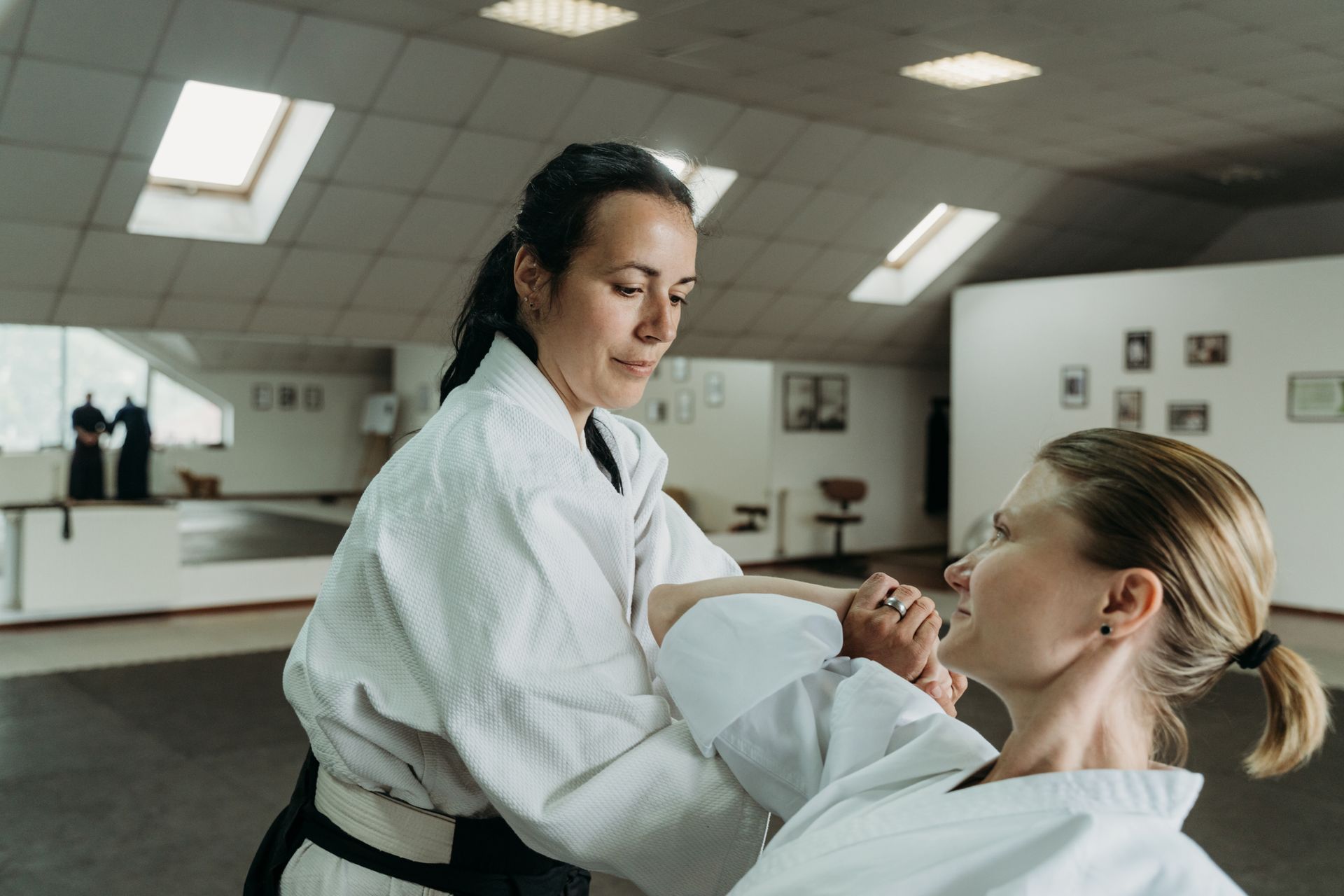
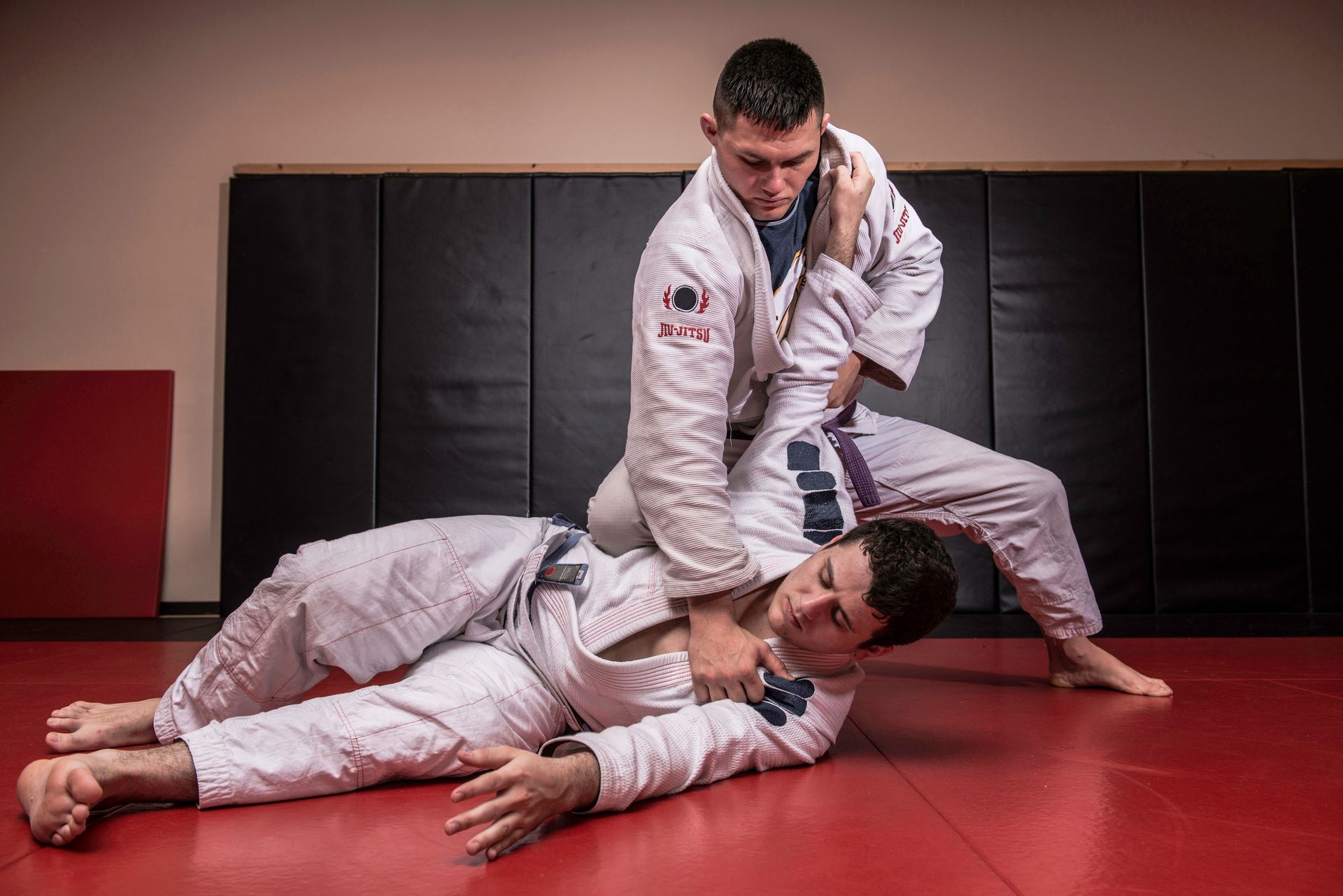
BJJ is a ground-based grappling art focused on leverage, positioning, and submissions. It teaches you how to control and submit an opponent using technique rather than size or strength, making it practical for real-world self-defense since most physical altercations end up on the ground.
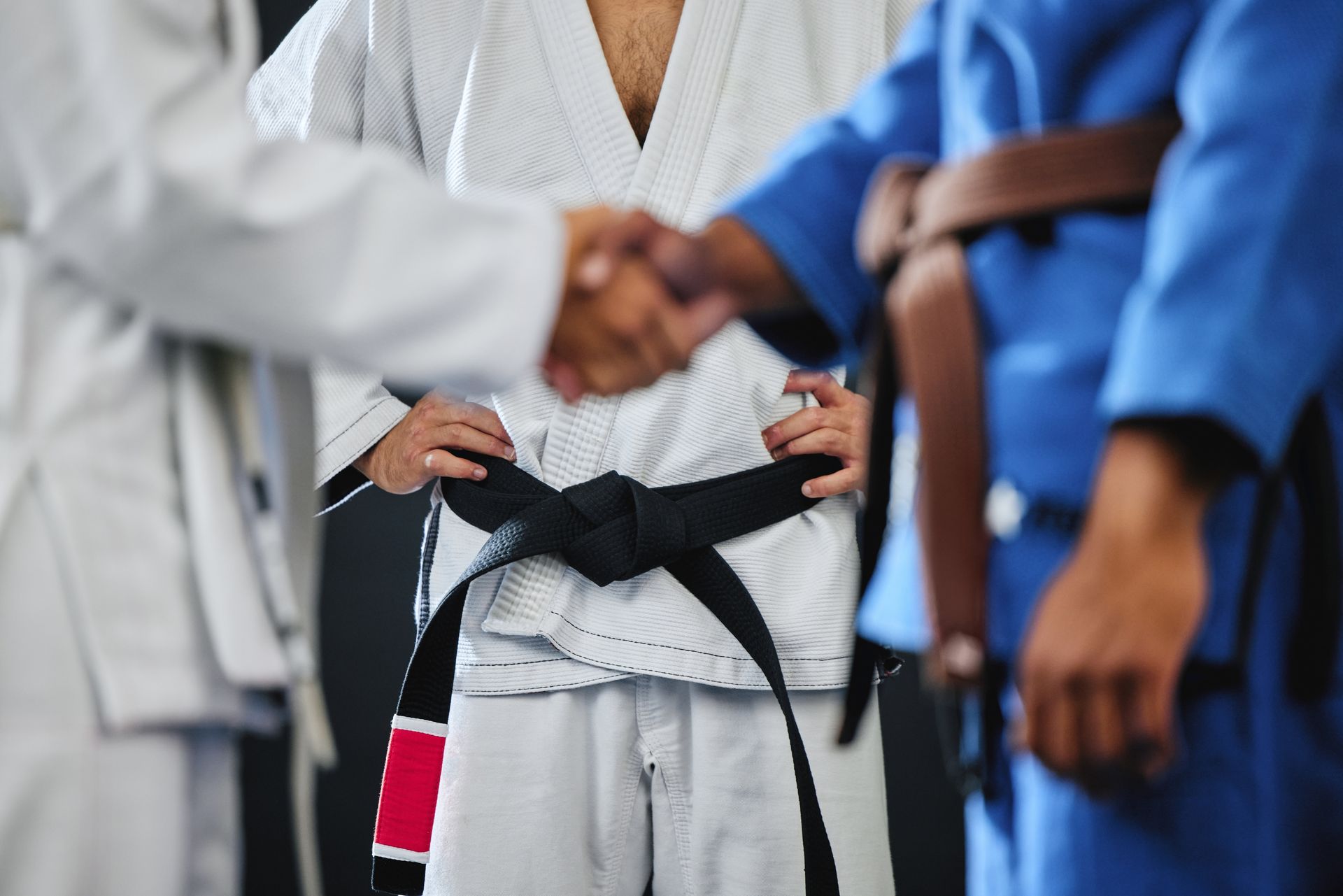
Training involves drilling techniques, positional sparring, and live rolling with partners. Progress is tracked through a belt ranking system that builds long-term discipline and commitment.
Key Advantages of BJJ
- Emphasizes leverage, so smaller practitioners can manage larger opponents effectively.
- Live sparring ("rolling") offers realistic, pressure-tested training from day one.
- Strong focus on ground control, which addresses a common gap in stand-up arts.
- Proven track record in MMA competition worldwide.
- Structured for all experience levels, from beginners to advanced.
Traditional Martial Arts: Karate, Kung Fu, and More
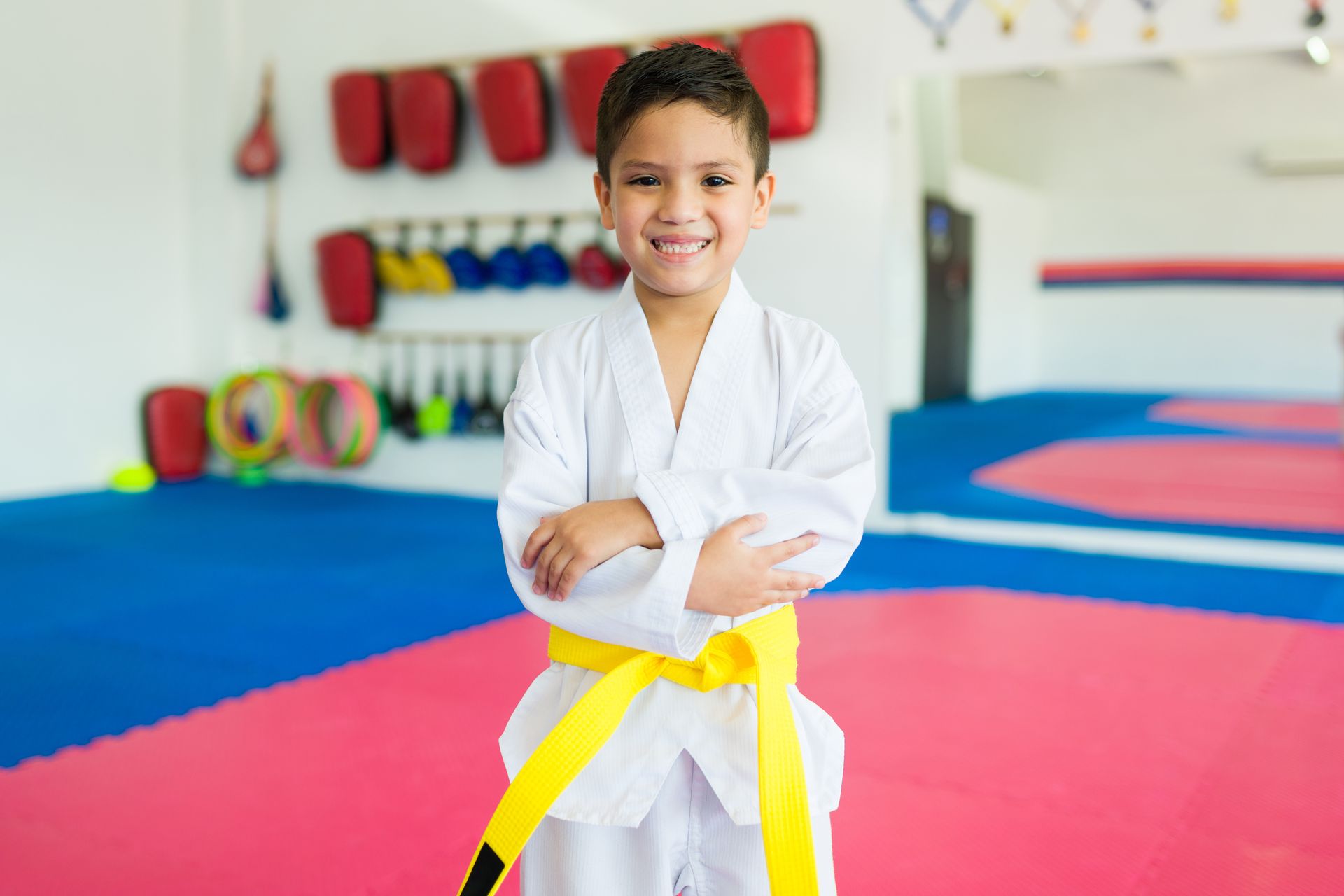
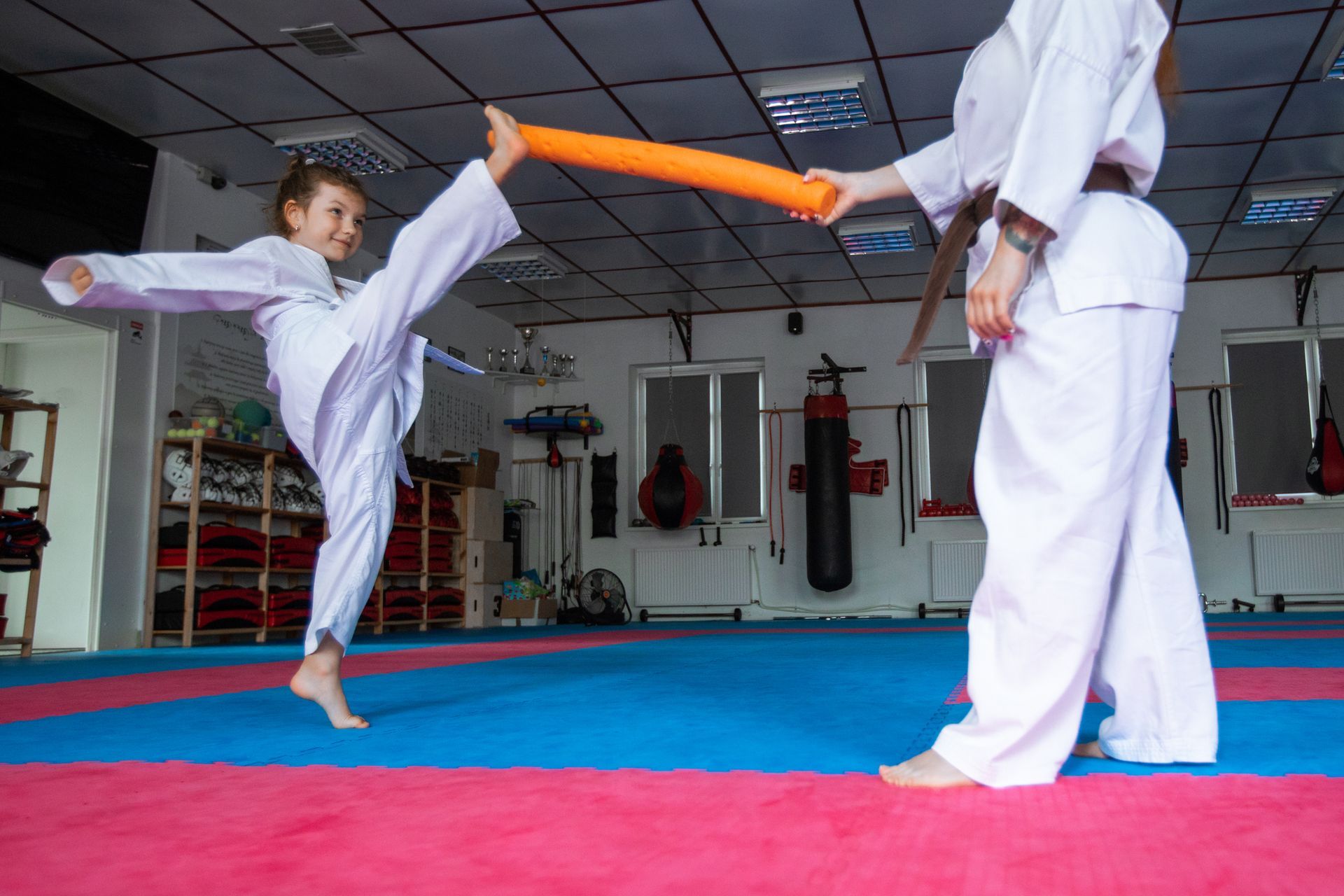
Traditional martial arts classes like Karate, Kung Fu, and Taekwondo have deep cultural roots and offer real benefits. They often emphasize striking, kata (forms), and mental discipline. How much live sparring a school incorporates can vary widely.
Karate
Karate originates from Okinawa, Japan, and focuses on punching, kicking, and blocking. Some competitive formats use point-based sparring, which differs significantly from full-contact combat. Karate is a solid option for those who value structure, tradition, and striking fundamentals.
Kung Fu
Kung Fu encompasses dozens of Chinese martial arts styles emphasizing fluid movement, strikes, and weapon training. Training methodology varies widely. Schools that prioritize forms over live practice may find that skills take longer to translate to real-world application.
Muay Thai
Muay Thai is a striking art from Thailand using punches, kicks, elbows, and knee strikes. It is widely respected for stand-up effectiveness and is a foundation of modern MMA. When paired with BJJ, it creates a well-rounded skill set covering both standing exchanges and ground control. Many Riverside, CA, academies offer both disciplines for this reason.
Key Differences Between BJJ and Traditional Martial Arts
Beyond range and striking style, the clearest distinction is how each art builds skill. BJJ tests techniques through live sparring from the earliest sessions, while many traditional programs lean more heavily on forms and drills before introducing live rolling.
Neither approach is universally superior. Consider these questions before enrolling:
- Are you training for self-defense or fitness?
- Do you prefer ground grappling or stand-up striking?
- Are you interested in competition, or is recreational training your goal?
- Do you want heavy live sparring or a more structured curriculum?
- Are you looking for classes for yourself, your kids, or your whole family?
Why Many Riverside Residents Choose BJJ
BJJ attracts adults looking for functional self-defense and measurable progress. The belt system, rolling culture, and emphasis on technique over athleticism make it accessible to people of all ages and body types. Families are also finding value in kids' BJJ programs, where children develop confidence, discipline, and problem-solving skills that carry into school and daily life.
How to Choose the Right Style for You
The best martial arts classes are the ones you will actually stick with. Visit a few gyms, watch a class, and try a beginner session before committing. Look for structured beginner programs, experienced coaches, and a welcoming community. Clean facilities, transparent schedules, and a free trial period are all positive signs.
Frequently Asked Questions
Is BJJ Better Than Karate for Self-Defense?
BJJ emphasizes ground control and submissions, often useful in real fights. Karate builds striking skills and discipline. The choice depends on your goals.
Can Beginners Join Martial Arts Classes With No Experience?
Yes. Most academies welcome complete beginners with structured introductory programs. BJJ classes bring new students in gradually, teaching fundamentals before progressing to live sparring.
What Age Can Kids Start Martial Arts Classes?
Many academies offer programs starting as young as age four, with age-appropriate movement, listening skills, and basic techniques rather than full competition training.
How Long Does It Take to Earn a BJJ Belt?
BJJ has a long belt progression. Blue belt often takes one to two years; black belt can take a decade or more.
Start Your Training in Riverside, CA
If you are ready to explore BJJ firsthand, Carlson Gracie Jiu-Jitsu Team offers martial arts classes for adults, kids, and families rooted in the proven Carlson Gracie lineage. Visit Carlson Gracie Jiu-Jitsu Team to learn more, or contact us to ask about a free trial class today.